


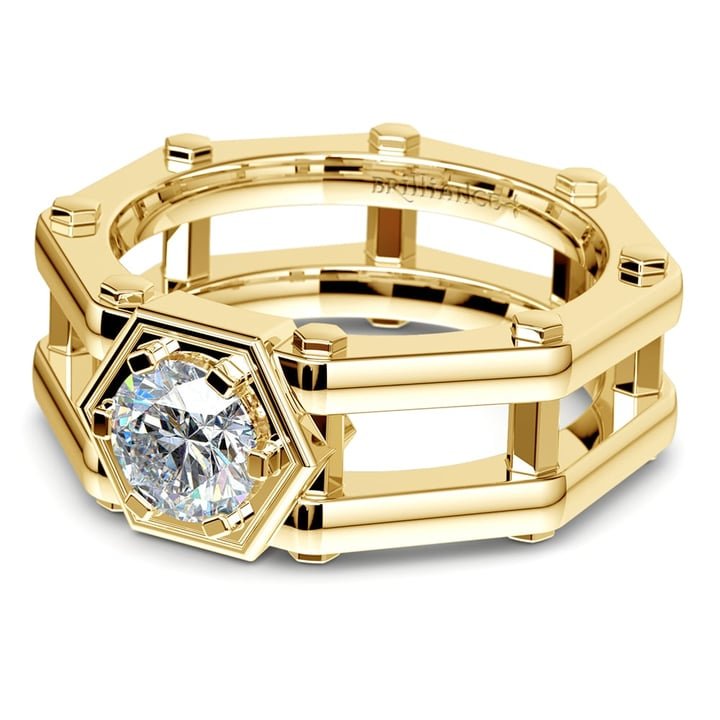
 Cog Inspired Mens Engagement Ring In Gold (1 Ctw) - Daedalus
 1 Carat Bezel Set Diamond - Gold Mens Engagement Ring - Magnus
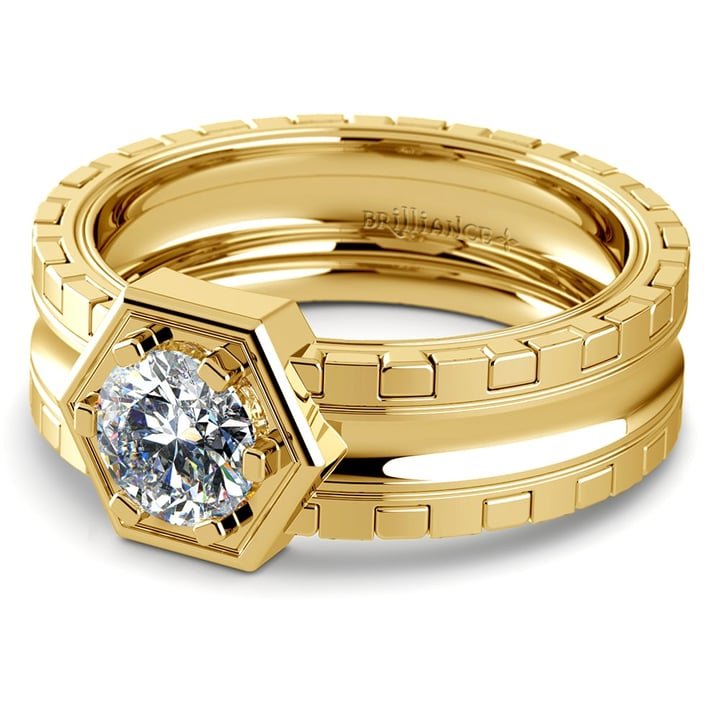 Ajax - 1 Carat Solitaire Diamond Gold Mens Engagement Ring

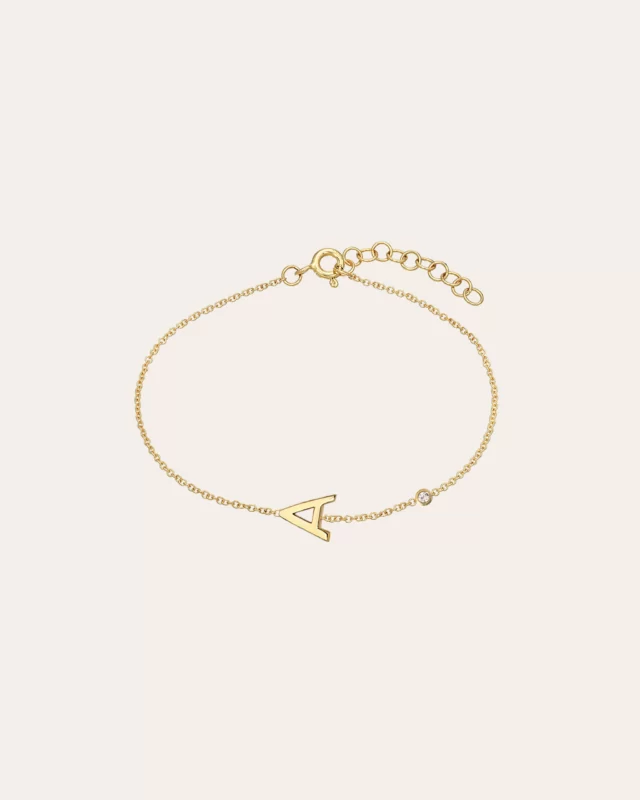 Diamond Initial & Bezel Bracelet
$45,300.00
Diamond Initial & Bezel Bracelet
$45,300.00
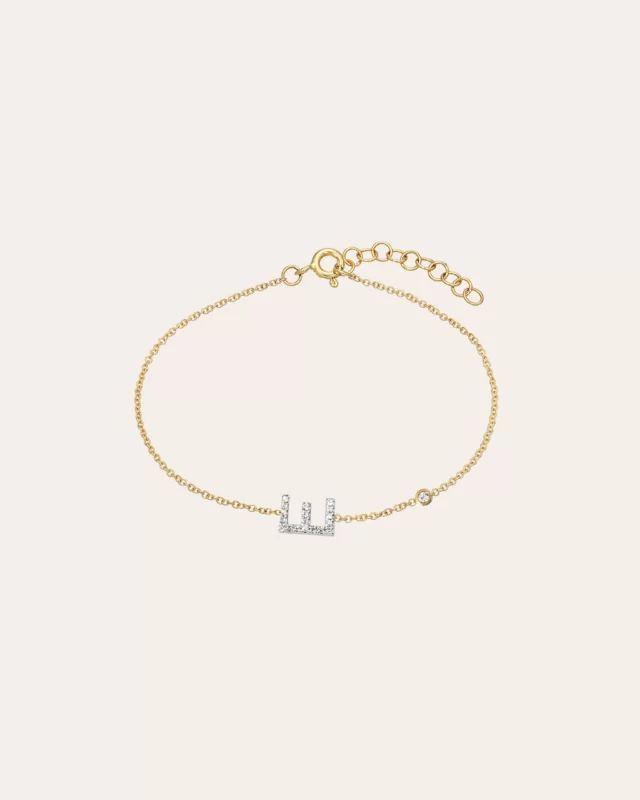 Diamond Initials Stud Earrings
$22,505.00
Diamond Initials Stud Earrings
$22,505.00
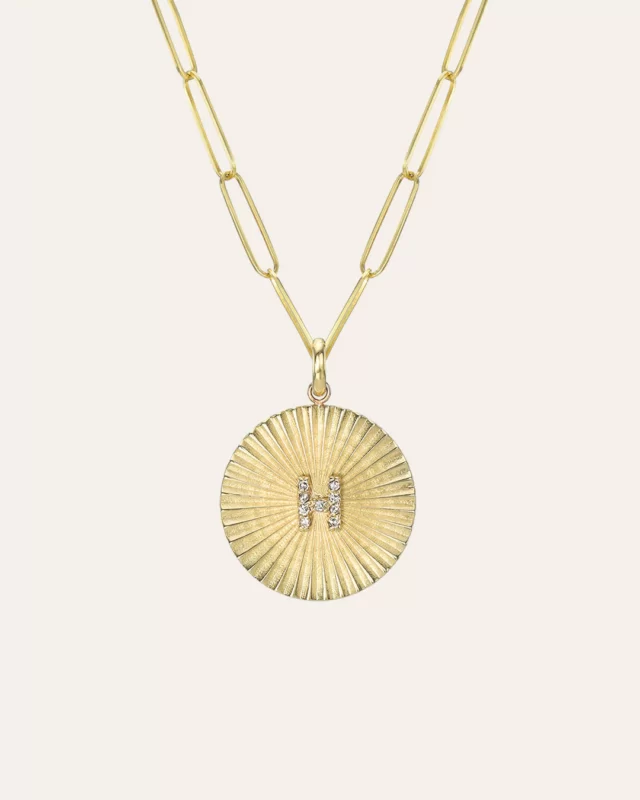 14k Gold and Diamond Amulet Necklace
$104,500.00
14k Gold and Diamond Amulet Necklace
$104,500.00
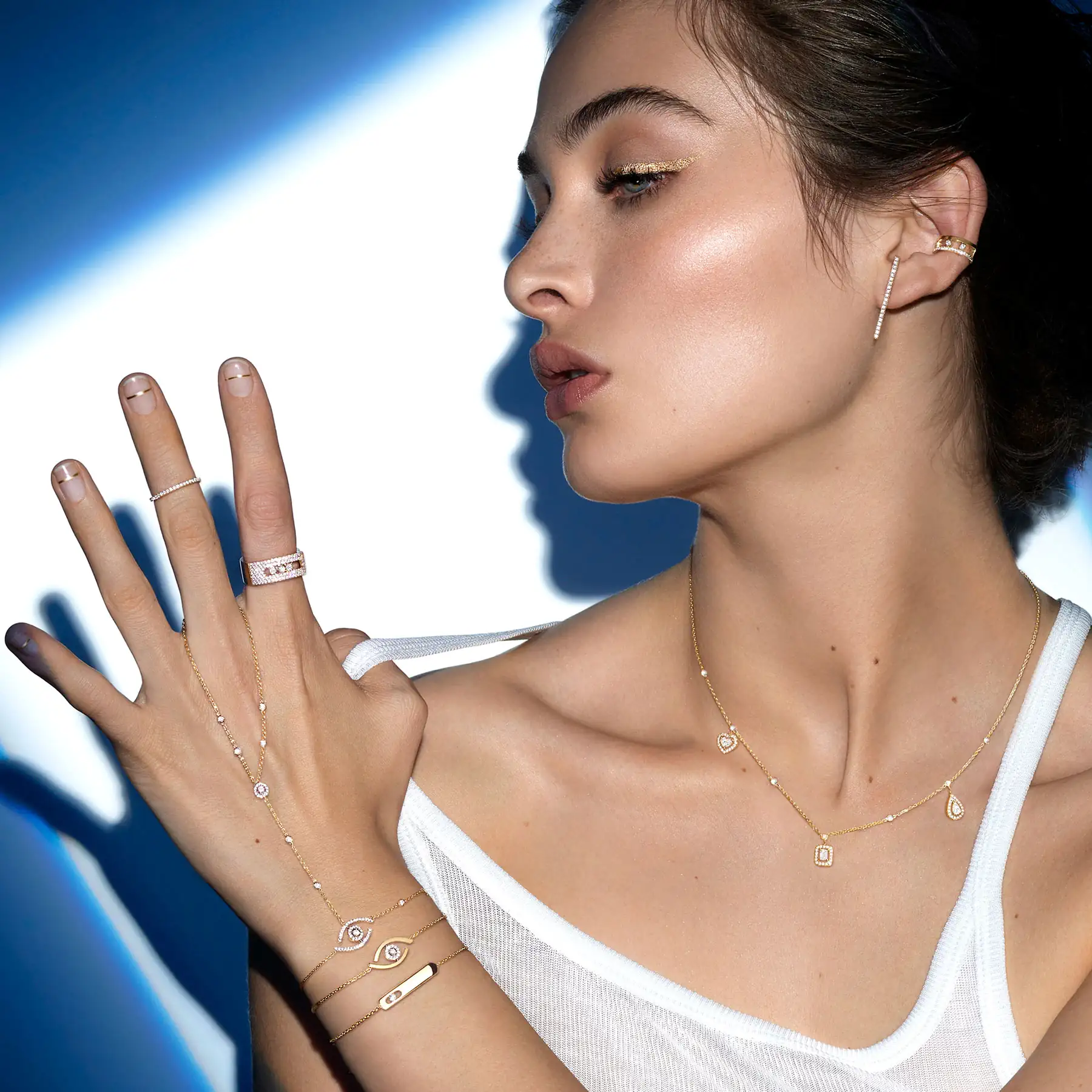
 Split Shank Pave Engagement Ring In White Gold By Parade
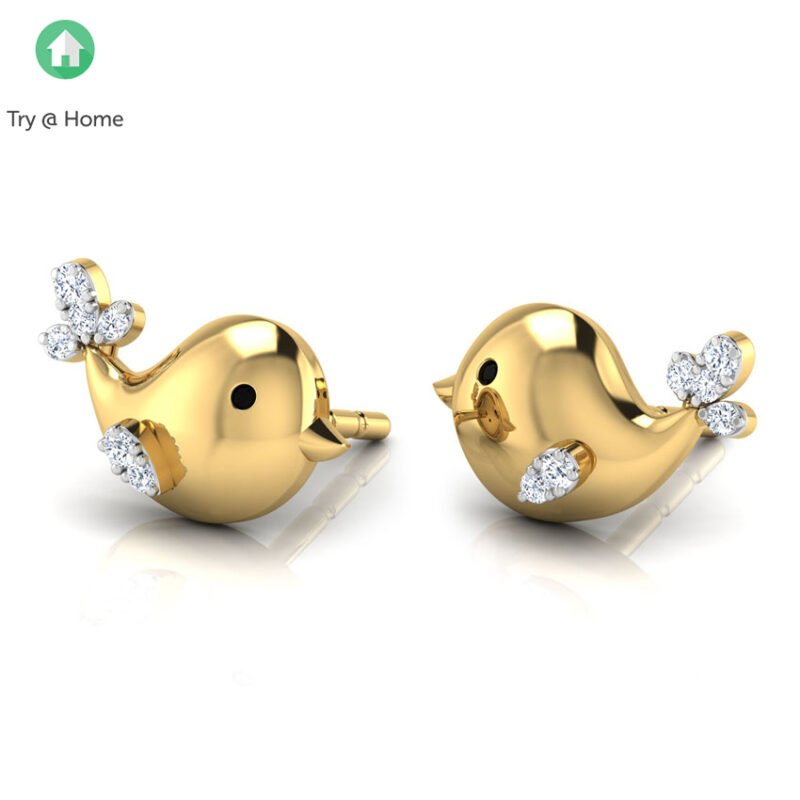 Birdy Kids' Diamond Earrings
 Blooming Rose Engagement Ring In White And Rose Gold By Parade
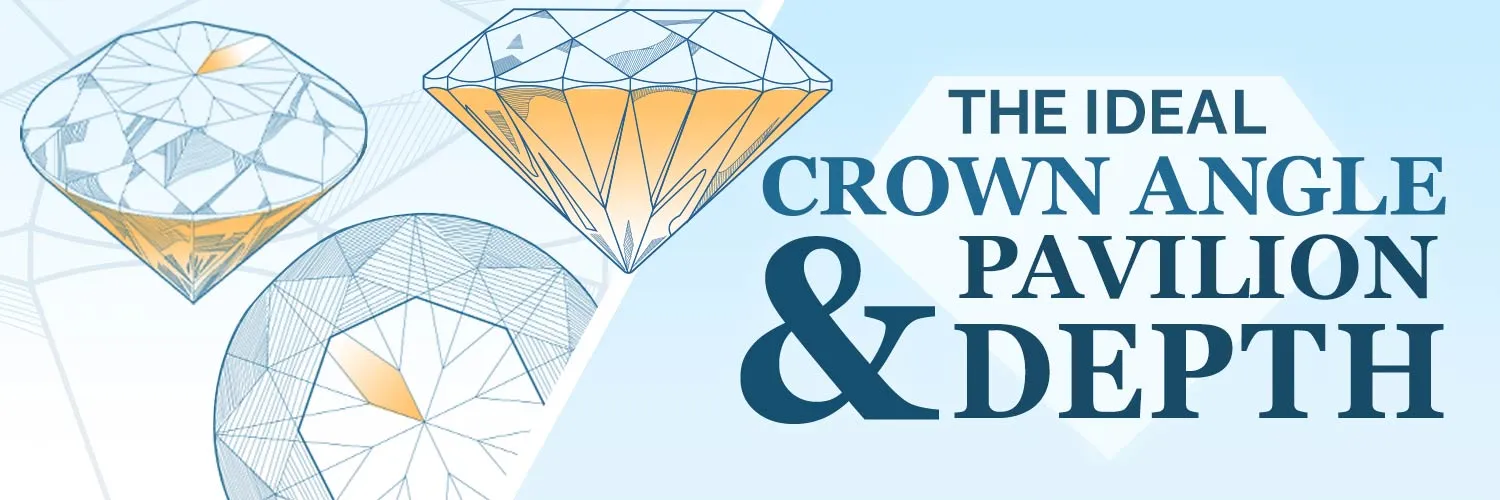
The crown angle, pavilion depth and angle of a diamond can all make a big difference in the end result of a diamond’s appearance, creating either a sparkling wonder or a dull stone.
In this guide we explain the different angles and depths, as well as how to calculate them. We also provide a handy table with the ideal round cut diamond proportions to help you find the perfect diamond.
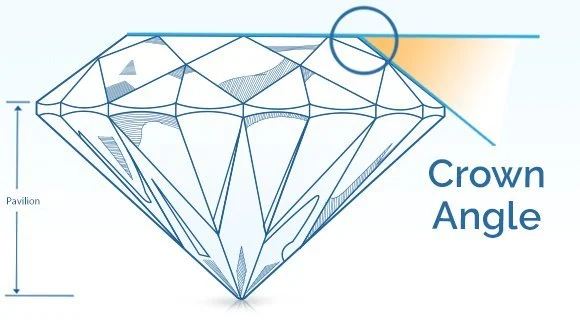
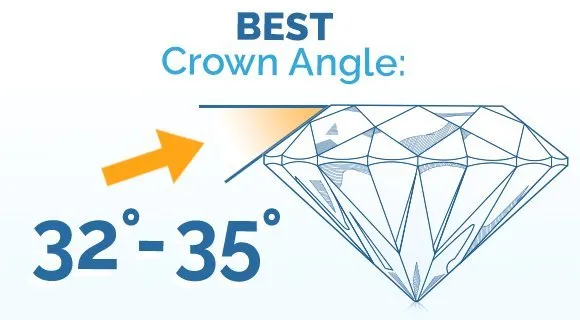
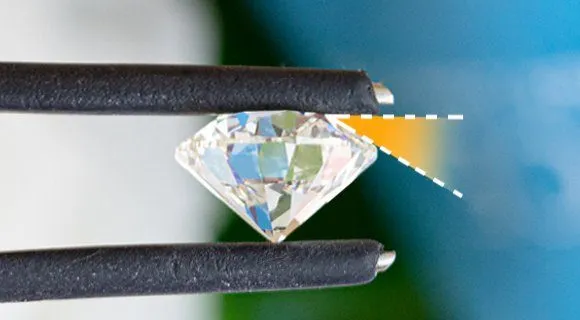
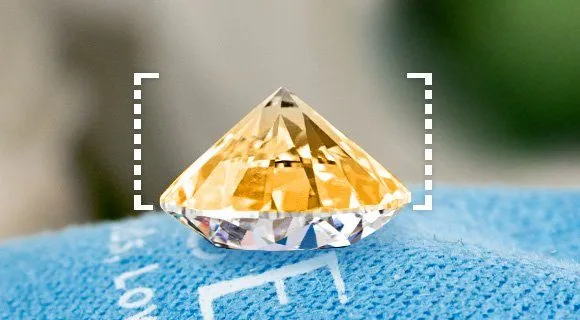
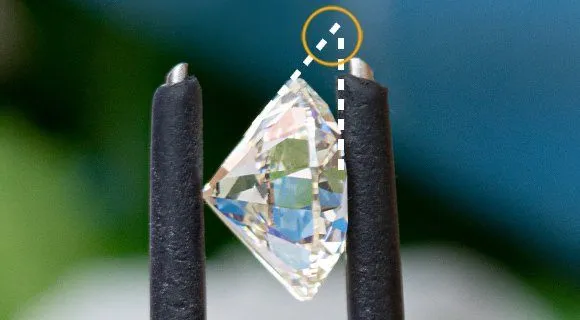
The top part of the diamond is called the crown, below the flat top table, and ‘crowning’ the pavilion cone. But the actual crown angle of a diamond refers to the degree of separation between the diamond’s girdle and table.
How important is crown angle?
The crown angle plays a major role in a diamond’s face-up appearance. When combined with ideal overall proportions, an ideal crown angle disperses maximum light, also referred to as a diamond’s fire. This makes the crown angle an extremely important aspect in a diamond’s proportions.
The expert opinion is that the best crown angle is between 32-35 degrees. When the crown angle of diamond is smaller than 32 degrees it is called a spread-cut, creating a foggy appearance in the diamond. This is caused by an overly large table area and a too thin girdle, which also causes the edges to be unprotected.
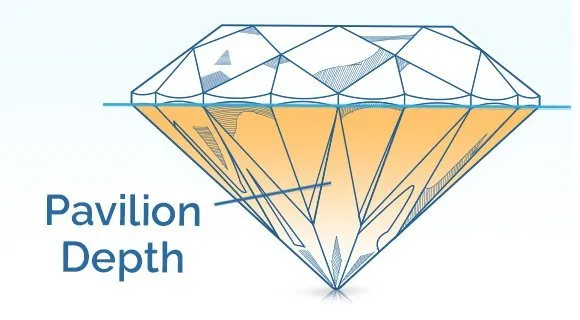
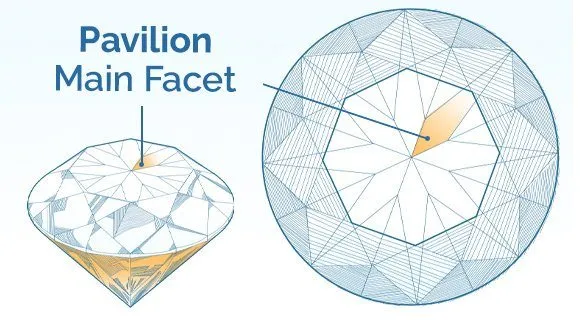
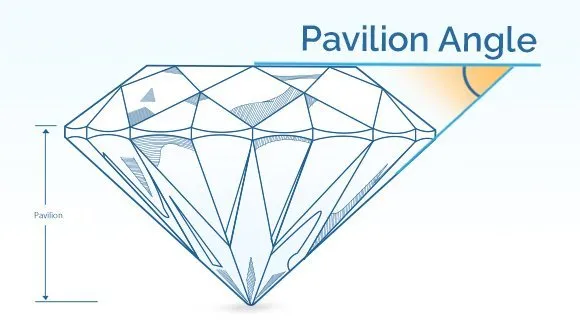
The pavilion of a diamond refers to the lower part or the ‘V’ shape of a diamond, it acts as a mirror to reflect light back through the top crown and table to the viewer.
What is the pavilion depth on a diamond?
In its simplest sense, the pavilion depth is the distance from the flat top table to the culet, or bottom point of the cone, of a diamond.
Pavilion depth contributes to both fire and brilliance in a diamond, it is also a way to increase the size of a modest diamond’s appearance. A shallower depth helps the diamond appear larger when viewed from above, although if it’s too shallow the diamond will appear dull and muted.
The pavilion depth is expressed as a percentage of average girdle diameter, and it can be judged visually, or measured and calculated.
Some people like to use the pavilion angle instead of pavilion depth percentage when they are evaluating a diamond’s proportions. Really, they are just two different ways of looking at the same aspect. The steeper the angle, the greater the depth percentage.
The pavilion angle creates that sparkling, eye-catching appearance revered in diamonds. The angle refracts light from one side of the diamond to another before reflecting outwards, creating a gorgeous prism of light. Diamonds that don’t possess the ideal pavilion angles, if they are perhaps too deep or too shallow, will be sorely lacking in beauty.
|
Depth Percentage |
59% to 62.6% |
|---|---|
|
Depth Percentage |
59% to 62.6% |
|
Pavilion Angle |
40.6% to 41% |
|
Crown Angle |
34% to 35% |
|
Girdle Thickness |
Thin to Slightly Thick |
|
Culet |
None to Pointed |
No account yet?
Create an Account


