




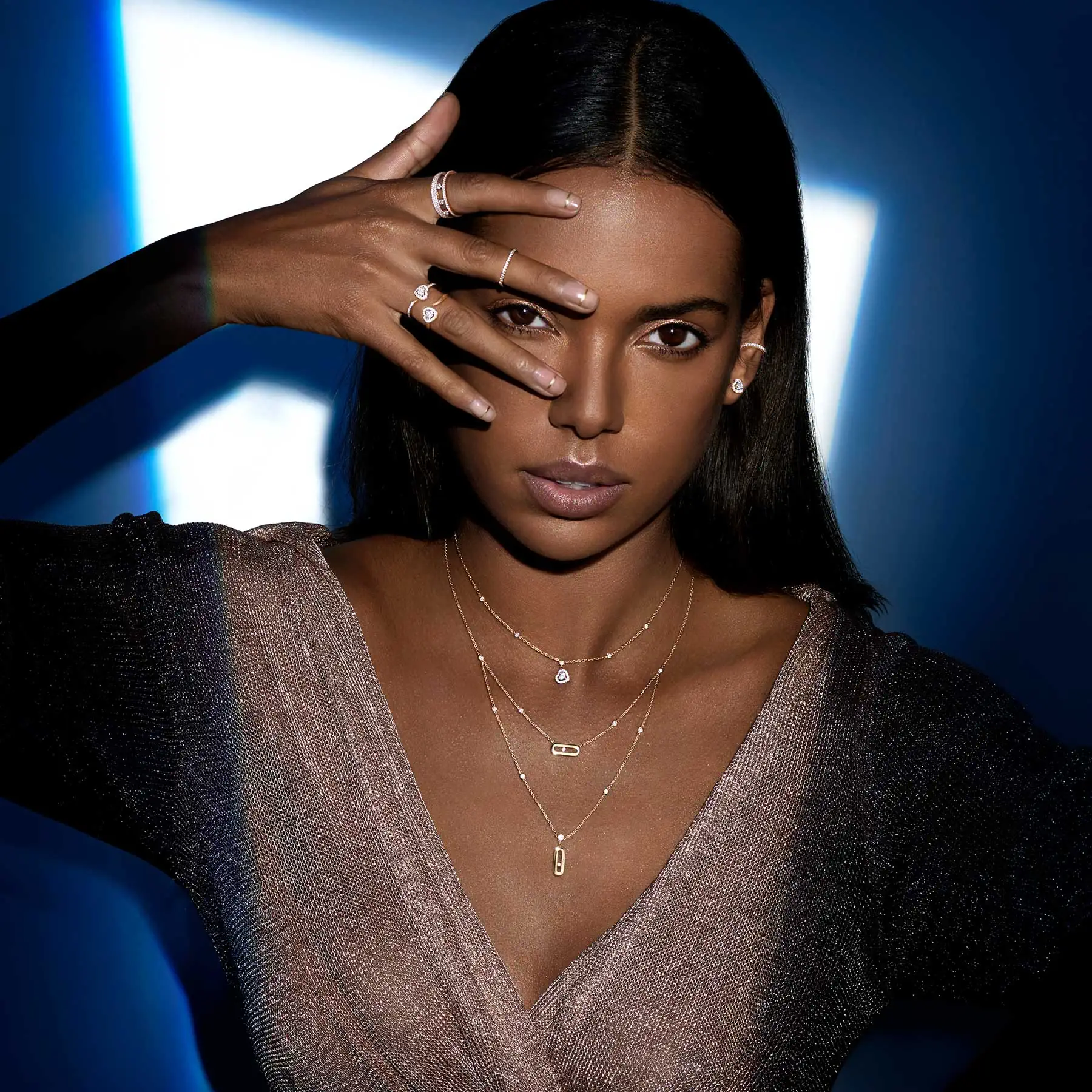
The term "diamond shape" refers to the physical and visual shape of the diamond. Each shape has unique attributes influencing the diamond's overall appearance and brilliance. When purchasing a diamond, customers typically consider its shape as one of the primary factors.
Diamond cut and shape are often confused and used interchangeably, but they are two distinct concepts. Diamond cut refers to a diamond's proportions, symmetry, facets, and reflective qualities. On the other hand, diamond shape refers to a diamond's overall outline or external appearance when viewed from above.
There are various diamond shapes, each possessing its distinct characteristics. However, the round brilliant-cut diamond is the most popular and traditional shape. Additionally, there are fancy-shaped diamonds, including the princess cut, emerald cut, cushion cut, Asscher cut, pear cut, heart cut, oval cut, marquise cut, and radiant cut diamonds. These fancy-shaped diamonds are highly sought-after for engagement rings and fine jewelry due to their unique and breathtaking shapes.
Alternative shapes such as octagonal diamonds, trapezoids, baguettes, half-moon, and trillion-cut diamonds are gaining popularity recently because they create beautiful and distinctive designs.
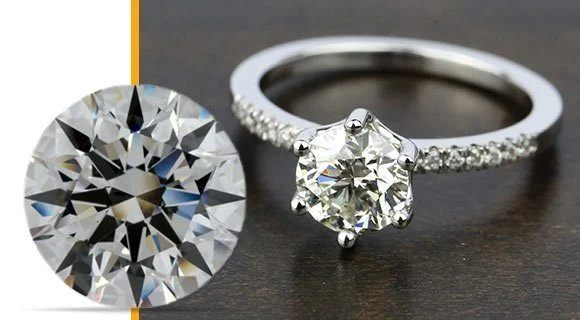
Round Cut Diamonds
The most popular and iconic shape of all time, brilliant round diamonds are the only perfectly symmetrical diamonds that offer an unmatched brilliance than any other shape. Round diamonds represent approximately 75% of all sold diamonds and have been researched (and developed) by gemologists more than any other diamond shape.
With nearly 60 facets, this shape boasts excellent light refraction properties and is renowned for its unrivaled fire and brilliance. Round-cut diamonds are a timeless and classic choice for diamond engagement rings and other jewelry, and round diamonds are more highly valued than other diamond shapes.
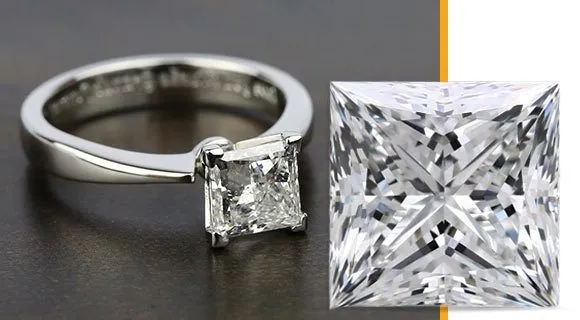
Princess Cut Diamond
Princess cut diamonds are known for their contemporary and eye-catching style and are the second most popular diamond shape, following round diamonds.
The most desirable princess-cut diamonds have a perfectly square shape, sharp angles, and similar facet patterns to brilliant round diamonds. They are highly versatile, as they can be set in various styles and metals, allowing for a range of stunning and unique looks.
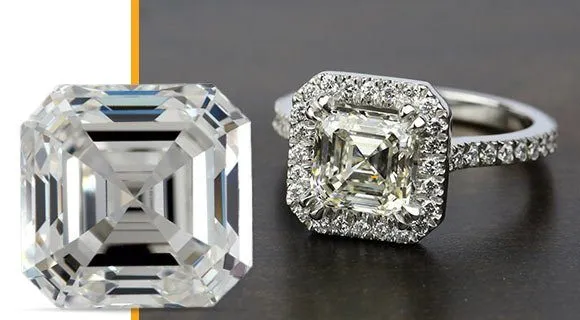
Asscher Cut Diamonds
Introduced in 1902 by renowned diamond cutter Joseph Asscher, the Asscher diamond shape utilizes many of the same cutting techniques as the emerald cut. Their uniquely angled and cropped corners set Asscher cut diamonds apart, creating a timeless look. Moreover, Asscher cut diamonds often exhibit more brilliance than emerald cut diamonds.
Asscher cut diamonds are popular for vintage and Art Deco-inspired engagement rings and other diamond jewelry pieces.
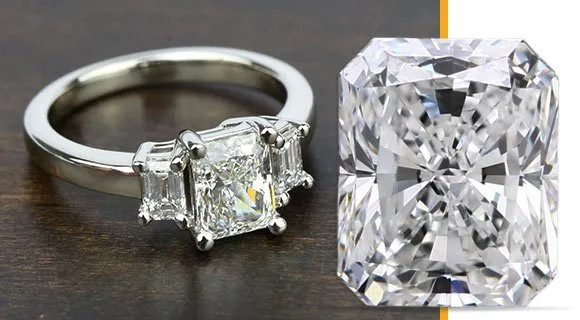
Radiant Cut Diamond
Relatively new to the jewelry industry, radiant cut diamonds were introduced over 20 years ago. This diamond shape is a modified square shape, a stunning hybrid of the elegant emerald cut diamond and the traditional round diamond. Radiant cut diamonds are available in a range of rectangular and square shapes (and even in-between sizes), each with its length-to-width ratio.
As the name suggests, radiant cut diamonds emit a beautiful and memorable glow.
Cushion Cut Diamond
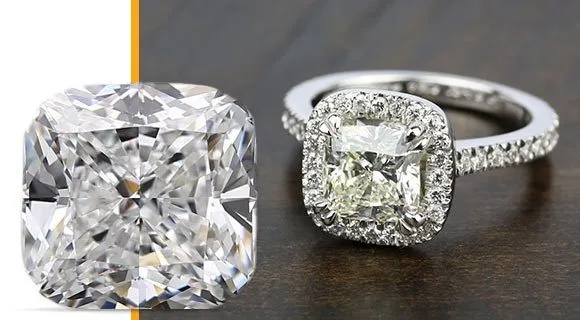
First introduced to the jewelry market in the early 1800s, the cushion cut diamond is rich with diamond history. They were initially known as the “old mine cut,” the cushion diamond served as the standard diamond shape for many years. This classic cut features a square or rectangular shape with soft, rounded corners and sides, resembling a pillow or cushion.
Cushion cut diamonds remain popular as they are often considered a romantic and vintage-inspired alternative to the brilliant round diamond.
Emerald Cut Diamond
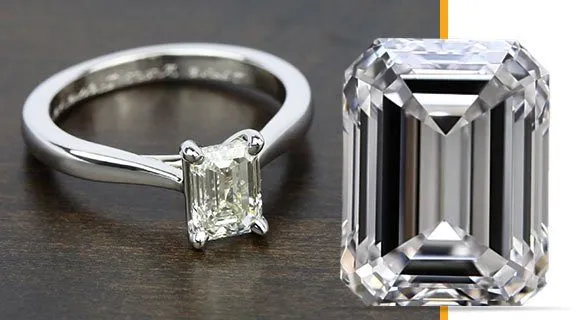
Emerald cut diamonds are the most popular step-cut shape, typically rectangular with cut corners and a large, open table. Emerald-cut diamonds are distinguished by their beveled corners and step-cut facets, which produce a unique, geometric “hall of mirrors” effect.
Emerald cut diamonds are rare, more transparent than other diamond shapes, and often require higher standards of clarity.
Marquise Cut Diamond
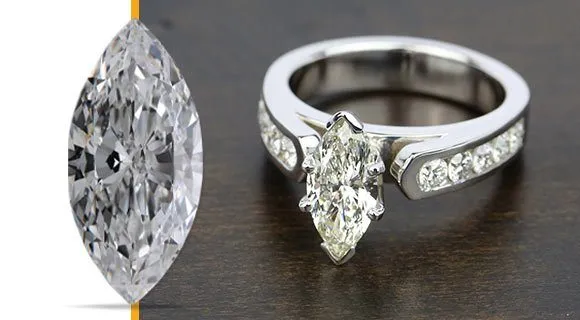
The marquise cut is rumored to have been specially developed for King Louis XIV of France, who desired a diamond resembling Marquise de Pompadour’s smile. The marquise shape features an elongated shape with pointed ends resembling a football.
The marquise cut diamond is renowned for its unique and flattering shape, which imparts a dramatically beautiful appeal. This romantic diamond shape offers striking elegance that will withstand the test of time.
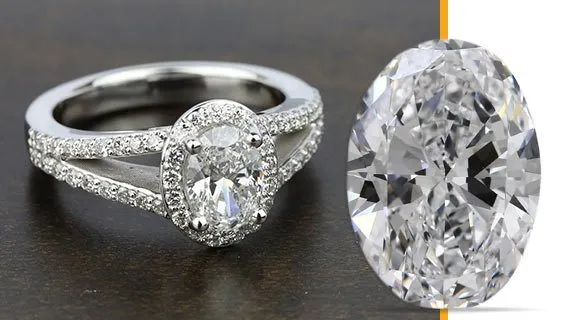
Oval Cut Diamond
With the same number of facets as a round diamond, the oval diamond was introduced in the 1960s as a variation of the round diamond. The oval diamond is a popular choice for those seeking to maximize their budget, as its elongated shape creates the illusion of a larger diamond while emitting nearly the same brilliance and fire as the round diamond.
Oval cut diamonds are versatile diamond shapes that combine classic and modern styles.
Pear Cut Diamond
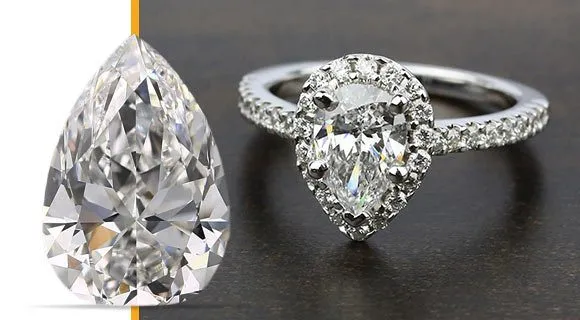
Known as the “teardrop diamond,” the pear-cut diamond combines the characteristics of both a round and marquise shape. It features a rounded end and tapers to a point on the other, resembling the shape of a drop of water. This diamond shape was first created in the 1400s by a Flemish polisher named Lodewyk van Berquem.
Pear cut diamonds are a modified brilliant cut and are renowned for their versatility. Depending on the setting, they can exude a modern or vintage aesthetic. Additionally, the shape of a pear cut diamond creates the illusion of longer and slimmer fingers when worn.
Heart Cut Diamond
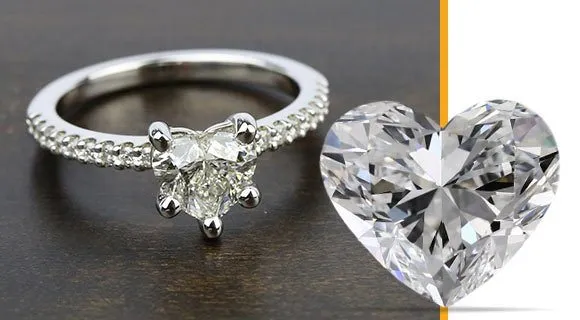
Heart-shaped diamonds are an unmistakable symbol of love and affection, making them an excellent choice for anniversary or engagement rings. Heart-shaped diamonds are among the most unique fancy shapes available.
Featuring a pointed cleft at the top and a rounded shape at the bottom, creating a heart-shaped diamond is one of the most challenging diamond cuts, and it demands great skill and dexterity from the diamond cutter.
Diamond Size FAQs
Round brilliant cut diamonds are currently the most expensive diamond shape in the market due to their high demand, popularity, and carat weight sacrificed to produce this shape. When cutting a round diamond, almost 65% of a diamond's rough weight is lost (compared to a princess cut, which retains nearly 70% of a diamond's rough).
Diamond shapes that are typically less expensive require less time and skill to cut and lose less rough carat weight, as well as those that are less popular or in high demand than other shapes. Such shapes include emerald diamonds, princess diamonds, radiant cut diamonds, and oval cut diamonds.
The brilliant round cut is widely regarded as the most brilliant, and the diamond shape exhibits the most sparkle. With 58 facets, round brilliant cut diamonds are designed to refract and reflect light to maximize brilliance and sparkle. However, other shapes, such as cushion cut diamonds, oval diamonds, pear cut diamonds, and princess cut diamonds, can also exhibit beautiful radiance if cut well and have high-quality facets.
It is important to note that diamonds are typically measured by their carat weight. In essence, one-carat diamonds will have roughly the same size. However, diamonds with an elongated shape may appear larger than diamonds with a round or square shape, and this is because these shapes have a larger surface area. Visually, marquise cut diamonds appear the largest due to their larger face-up size. Other shapes that can seem more significant than their carat weight include oval, emerald, and pear-cut diamonds.
The radiant cut diamond and heart cut diamond are among the rarest diamond shapes, primarily due to the low demand for radiant diamonds and the intricate cutting process required to produce a perfectly symmetrical heart shape for heart-cut diamonds.
Although the round shape diamond has long been the most popular, many consumers prefer alternative shapes, including cushion, oval, and pear. Brilliance offers a wide selection of diamond shapes in our diamond search, including the most popular ones.


